
Cairo After Dark: An Honest Guide to the City's Best Bars, Lounges, and Rooftops
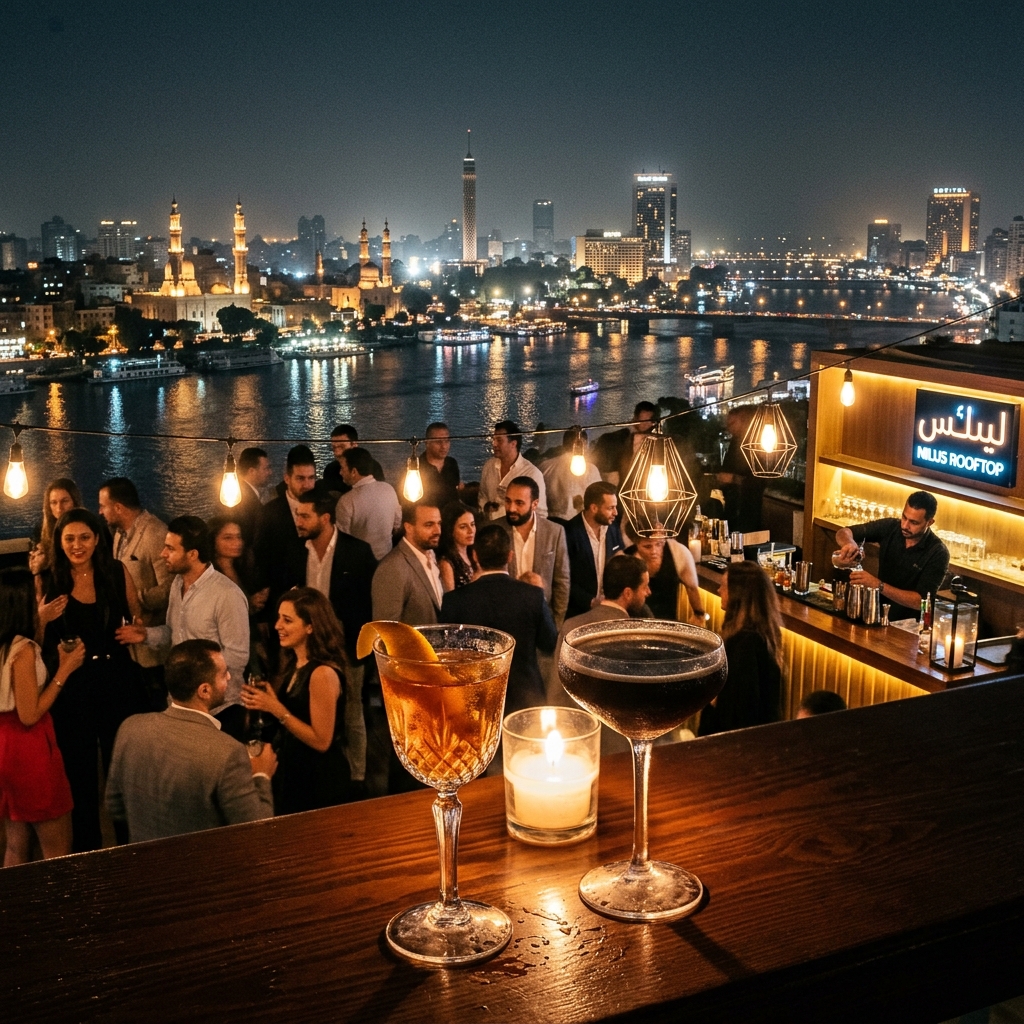
Let's get one myth out of the way immediately: Cairo is not Dubai, and it's certainly not Berlin. If you're picturing a city stacked with mega-clubs and dance floors that don't quiet down until 5 a.m., recalibrate. What Cairo actually offers is quieter, more sophisticated, and honestly more interesting: a nightlife scene built around rooftop views of the Nile, low-lit lounges with live oud players, and hotel bars that feel like a secret club for people in the know. Once you understand that shift in expectations, Cairo after dark becomes genuinely magical.
What "Nightlife" Actually Means Here
Egypt is a Muslim-majority country, and alcohol occupies a specific, licensed space rather than a casual, everywhere-available one. You won't find bottle shops on every corner, and drinking in public streets or parks is a fast way to get an awkward conversation with the Tourism Police. Instead, nightlife lives almost entirely inside:
- Five-star hotel bars and rooftop lounges (Zamalek, Garden City, and the Nile Corniche are the epicenters)
- Nile-facing restaurant-lounges that double as bars after 10 p.m.
- A handful of historic, old-school bars with genuine character
There are very few true "nightclubs" in the international sense. What passes for clubbing in Cairo is closer to a stylish lounge with a DJ and a dance-adjacent crowd rather than a warehouse rave. If that's the vibe you're chasing, Cairo will surprise you in a different, better way: a Nile-view cocktail beats a strobe-lit basement every time.
Where to Actually Go
Zamalek, the leafy island neighborhood in the middle of the Nile, is your base camp. It's walkable, safe, and packed with genuinely good venues:
- Buddha Bar Cairo – The global brand's Cairo outpost, all incense, low lighting, and a scene-y crowd. Come for the theatrical atmosphere and Pan-Asian menu, expect Beirut-and-Dubai-level prices.
- The Greek Club (Downtown) – A slightly worn, wonderfully atmospheric rooftop terrace with skyline views and old-Cairo charm. It's not polished, and that's exactly the appeal.
- Windsor Hotel's Barrel Bar – A genuinely historic colonial-era bar with creaky wood, old photographs, and a quirky sense of time standing still. Go for the story, not the cocktails.
- Four Seasons Nile Plaza's 8 Bar and Gold Bar – The gold standard for a polished, international-feeling night out. Excellent mixology, a well-dressed crowd, and Nile views that make the price tag feel almost reasonable.
- St. Regis Cairo's rooftop lounge – One of the newer entries, with sweeping Nile and skyline views that are genuinely some of the best in the city after dark.
- Sequoia – A Zamalek institution on the northern tip of the island, all wooden decks and Nile breezes, better for shisha and a relaxed lounge vibe than heavy drinking.
For something more local and unpretentious, Downtown Cairo's old-school beer bars (think Stella on tap, cash only, no frills) are worth an hour if you want to see how Cairenes actually socialize, though the vibe is decidedly more divey and male-dominated than luxury.
The Practical Stuff Nobody Tells You
This is where a little local knowledge saves you money and embarrassment:
- Alcohol is expensive. Import tariffs mean a cocktail at a hotel bar can run $12–20 USD, and imported spirits cost noticeably more than local Egyptian-made alternatives (Ahmed Fouad brandy, Stella and Sakara beers). Order local when you want to keep the bill sane.
- Dress codes are real and enforced. Upscale bars expect smart-casual at minimum; flip-flops and gym wear will get you turned away, especially at hotel venues. For women, there's no requirement to cover up in these private, licensed spaces, but overly revealing outfits will draw more stares than compliments outside the hotel bubble.
- Cards vs. cash. Hotel bars and upscale lounges take cards easily. Older, local bars are cash-only, often in Egyptian pounds exclusively.
- Ramadan changes everything. During the holy month, most bars either close entirely or operate on a drastically reduced schedule, and public drinking essentially disappears until after Iftar. Nightlife shifts to late-night Sohour gatherings instead. If your trip overlaps with Ramadan, plan your evenings around hotel venues that maintain private bar service for guests.
- Public affection and behavior. Egypt is conservative in public spaces. What's normal in a private lounge (a couple sharing a drink, dancing) should stay low-key once you step outside onto the street.
Timing, Safety, and Getting Home
Cairenes eat late and go out later. Dinner reservations at 9 or 10 p.m. are standard, and bars don't really fill up until 11 p.m. or midnight. Thursday night is the big one, since the weekend runs Friday–Saturday, not Saturday–Sunday.
On safety: the Zamalek and Garden City hotel-bar circuit is genuinely safe, including for women traveling solo or in small groups. That said, skip street taxis after dark entirely and use Uber or Careem, both of which operate reliably across Cairo and remove any ambiguity around fares or routes.
One more honest note: doormen and bathroom attendants at these venues rely heavily on tips (baksheesh). A few Egyptian pounds here and there goes a long way and is simply how service culture works.
Cairo's nightlife rewards travelers who adjust their expectations and lean into what the city does best: unforgettable Nile views, genuine hospitality, and evenings that feel unhurried in the best possible way. Ready to start planning? Let Idea Travel handle the details, itineraries, and logistics, so you can focus on the part that actually matters: falling in love with Egypt.