
The Real Cost of a Nile Cruise in 2026: What's Actually Included (And What Will Cost You Extra)
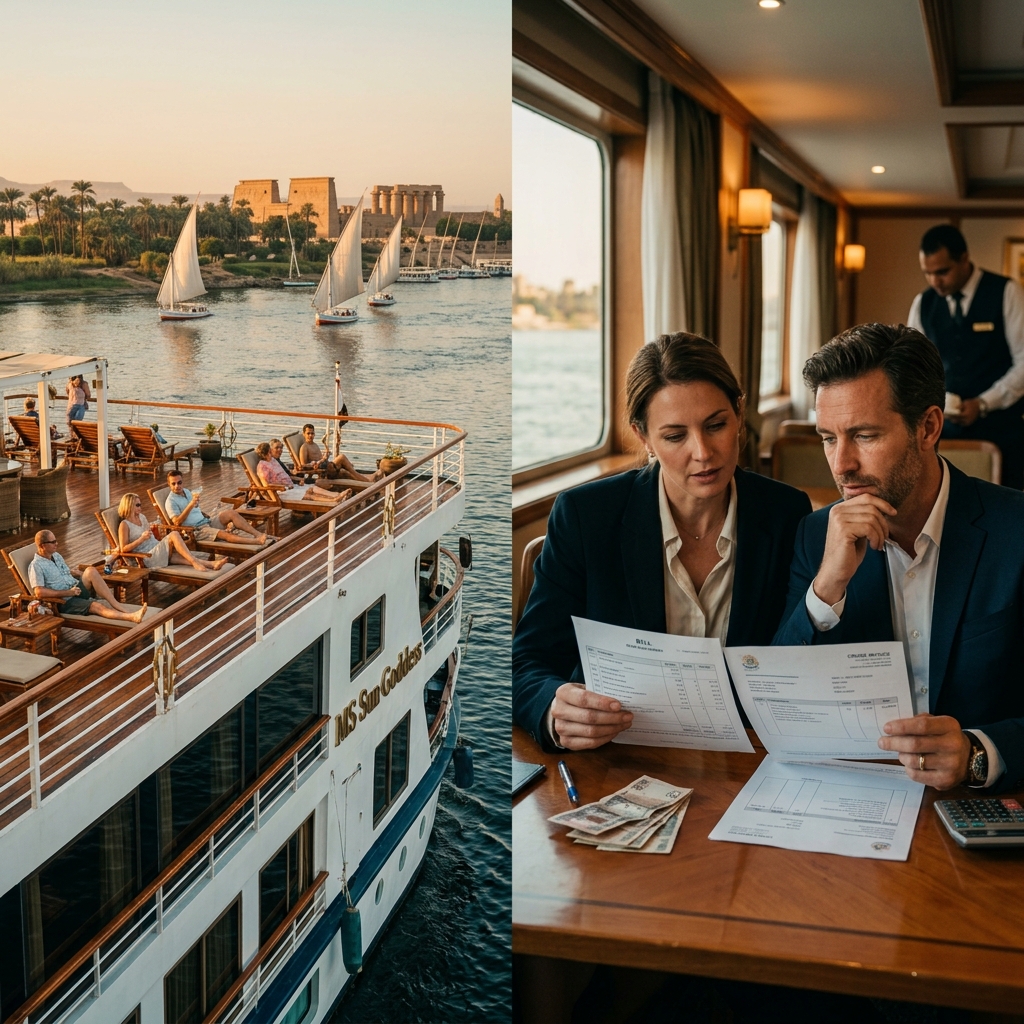
Let's cut through the marketing fluff: a Nile cruise is one of Egypt's most magical experiences, but the advertised price is rarely what you'll actually pay. In 2026, you're looking at base prices starting from $390 for a standard 3-night cruise, climbing to $2,800+ for ultra-luxury options. But here's what the brochures don't tell you—that starting price is just your entry ticket. The real cost depends entirely on what's bundled in, what's considered "optional," and how many surprise charges await you onboard.
As someone who's sailed these waters more times than I can count and watched travelers' faces shift from excitement to confusion at checkout, I'm giving you the unvarnished truth. Because the difference between a dream trip and a budget-busting nightmare often comes down to knowing exactly what you're paying for before you step aboard.
What's Actually Included in Your Base Nile Cruise Price
The good news first: most Nile cruises in 2026 are genuinely all-inclusive when it comes to the basics. Your standard package (that $390-$640 range for 3-4 nights) typically covers:
- Accommodation in your chosen cabin category – double occupancy, air-conditioned, with daily housekeeping
- Three meals daily – breakfast, lunch, and dinner in the main dining room, usually buffet-style with some set-menu options
- Onboard entertainment – think Nubian dance shows, belly dancing performances, and galabeya parties (yes, you'll wear one)
- Basic tea, coffee, and water – available throughout the day in common areas
- Guided shore excursions to major sites – Luxor Temple, Karnak, Valley of the Kings, Edfu, Kom Ombo, and Philae Temple are standard stops with Egyptologist guides
- Port fees and Nile transit taxes – these are baked into most packages now (but always confirm)
For deluxe cruises ($780-$1,200), you'll often get better cabin locations, upgraded linens, potentially some premium beverages, and more experienced guides. The luxury tier ($1,500-$2,800+) typically includes premium alcohol, private balconies, butler service, spa access, and sometimes private shore excursions.
But here's the critical distinction: "included shore excursions" doesn't always mean every single site. Some operators include only 4-5 major stops, while others bundle in 7-8. Read your itinerary line by line, and ask explicitly: "Which temples and tombs are included, and which are optional add-ons?"
The Hidden Costs That Will Absolutely Surprise You
This is where things get interesting—and expensive if you're not prepared. Even on a "fully inclusive" cruise, expect these additional charges:
Gratuities and Tipping:
The biggest surprise for most travelers. Budget $50-$80 per person for the crew tip pool (collected at journey's end), plus individual tips for your cabin steward ($20-30), tour guide ($30-50), and any exceptional service. On luxury cruises, this can easily reach $150-200 per person.
Beverages Beyond Basics:
That "included water" is often limited. Bottled water in your cabin? Usually $2-3 per bottle. Soft drinks at meals? $3-5 each. Wine, beer, and cocktails on standard cruises run $6-15 per drink. A couple enjoying sundowners on the deck every evening can rack up $200-300 over a 4-night cruise.
Optional Excursions and Experiences:
- Hot air balloon ride over Luxor: $80-150 per person (but absolutely worth it at sunrise)
- Abu Simbel day trip: $90-180 per person—it's not on most standard routes since it requires overland travel
- Sound and Light shows at Karnak: $40-60
- Private felucca sunset sail: $50-80 for two
Entry Fees:
Here's a sneaky one—some budget cruises include the guide but not the actual entrance tickets. Valley of the Kings costs 260 EGP (about $8.50), King Tut's tomb is an additional 300 EGP, and the premium tombs (like Seti I) can be 1,000 EGP each. If tickets aren't included, budget $50-100 per person for the full circuit.
Onboard Spa and Wellness:
That gorgeous spa you saw in the photos? Treatments start at $40 for basic massages and climb to $120+ for signature experiences. They're lovely, but definitely not complimentary.
Internet Access:
Most cruises now offer Wi-Fi, but it's often painfully slow or limited to common areas. Unlimited packages run $20-40 for the voyage—though honestly, this is your chance to actually disconnect.
How to Actually Budget for Your Nile Cruise in 2026
Let's do the real math for different traveler types:
Budget-Conscious Traveler (Standard 4-night cruise):
- Base cruise: $450 per person
- Tips: $70
- Occasional drinks: $50
- Optional excursions (1-2): $100
- Total: $670 per person
Luxury Traveler (Deluxe 4-night cruise):
- Base cruise: $1,000 per person
- Tips: $120
- Premium experiences (balloon, Abu Simbel): $250
- Spa treatment: $80
- Total: $1,450 per person
Ultra-Luxury All-Out (7-night premium cruise):
- Base cruise: $2,500 per person
- Tips: $200
- Private guides and exclusive access: $400
- Total: $3,100 per person
My honest advice? Book the best cabin category you can comfortably afford—you'll spend significant time in that space—but don't stress about ultra-luxury if it strains your budget. A deluxe cruise with selective splurges (that hot air balloon, a private dinner on deck) often delivers more magic than top-tier everything.
Also, book early. Those May 2026 prices reflecting early reservations can save you 20-30% compared to last-minute bookings, especially during high season (October-April).
The Nile Lunch Cruise Reality Check
Since you're researching costs, you've probably seen ads for 2-hour "Nile lunch cruises" in Cairo or Luxor for $30-60. Are they worth it? Honestly? Only if you have extremely limited time and won't be doing a multi-day cruise. These floating restaurants offer buffet meals and Nile views, but you're not really going anywhere—you'll see the same shoreline you'd see from any riverside restaurant. The entertainment is usually canned, and the food is wedding-banquet standard.
If you're already doing a proper Luxor-to-Aswan (or reverse) cruise, skip the lunch cruise entirely. Save that money for something more distinctive, like a private felucca at sunset or an extra night at a heritage hotel.
The multi-day cruise experience—waking up to different temples, watching farmers work the banks, sailing through locks, evening storytelling on deck—is incomparably richer. That's the Egypt that lives in your memory long after you've unpacked.
Ready to start planning? Let Idea Travel handle the details, itineraries, and logistics, so you can focus on the part that actually matters: falling in love with Egypt.